- A Room On The Moon
- Posts
- The Future of Gyms
The Future of Gyms
In Ancient Greece, gyms were sacred arenas where mortals trained to approach the superhuman, embodying the strength and grace of the gods themselves. In contrast, modern gyms have often become sterile, gray squares focused narrowly on aesthetics and routine, losing that sense of transcendence. Now, with longevity coming sharply into focus, gyms have the chance to reclaim their ancient glory—rekindling the quest for the superhuman, blending strength, vitality, and well-being. As gyms once again become homes for thriving bodies, connected minds, and emotional fulfillment, the future of fitness asks not just how long we live, but how well and happily we inhabit these spaces. Discover the key trends shaping this exciting transformation and what it means for the future of gyms.

Victoria Diaz
August 19, 2025
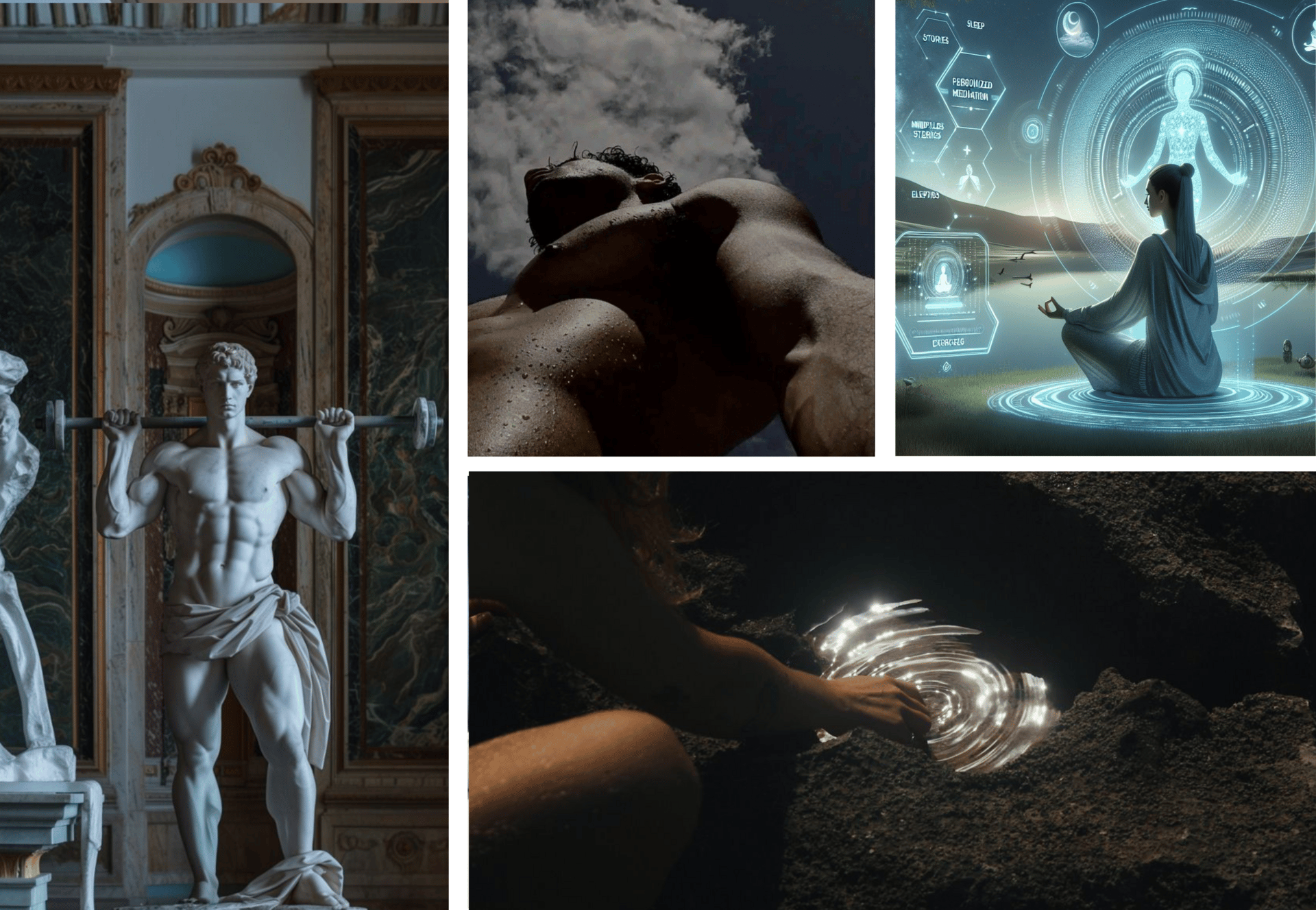
In this report, we'll dive deep into the future of gyms—exploring not just the cutting-edge interior designs but also the cultural shifts redefining fitness. Ready to join the journey? Let’s go!
The Silence Gym
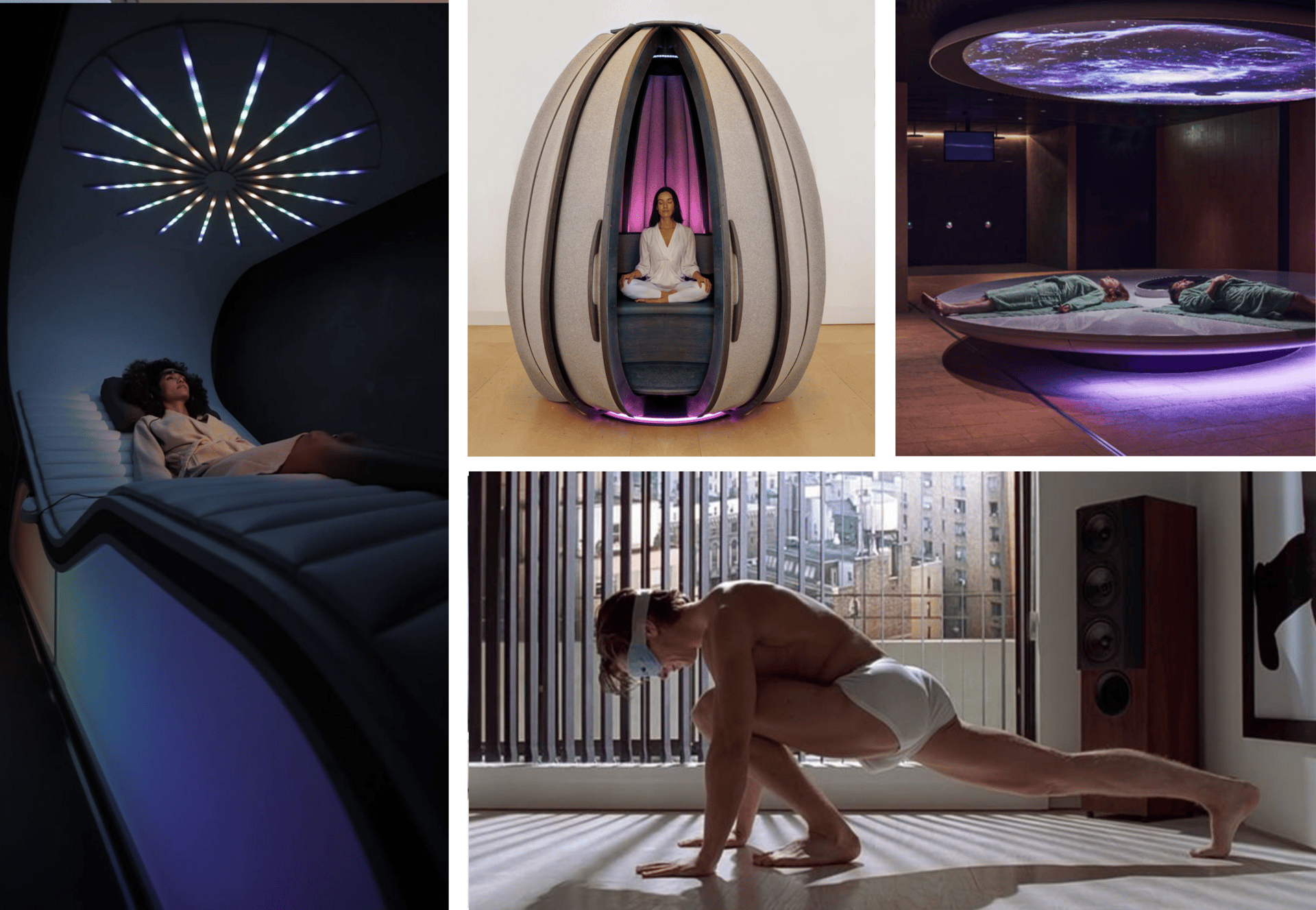
The silence gym: Not every workout needs noise. A new wave of gyms is introducing silence as training—spaces where sound and sight are stripped away to sharpen focus, calm the nervous system, and expand emotional capacity. This trend nods to its roots in Ancient Greece, where physical training was inseparable from philosophical and mental discipline. Once reserved for high-end spas, these sensory-deprived experiences are now entering the fitness mainstream through tech-driven capsules and silence baths, allowing members to train not only the body, but the mind and emotions. The silence gym reframes performance: strength is measured in mind, physique, and emotional clarity, not just reps.
Recovery & Regeneration Spaces
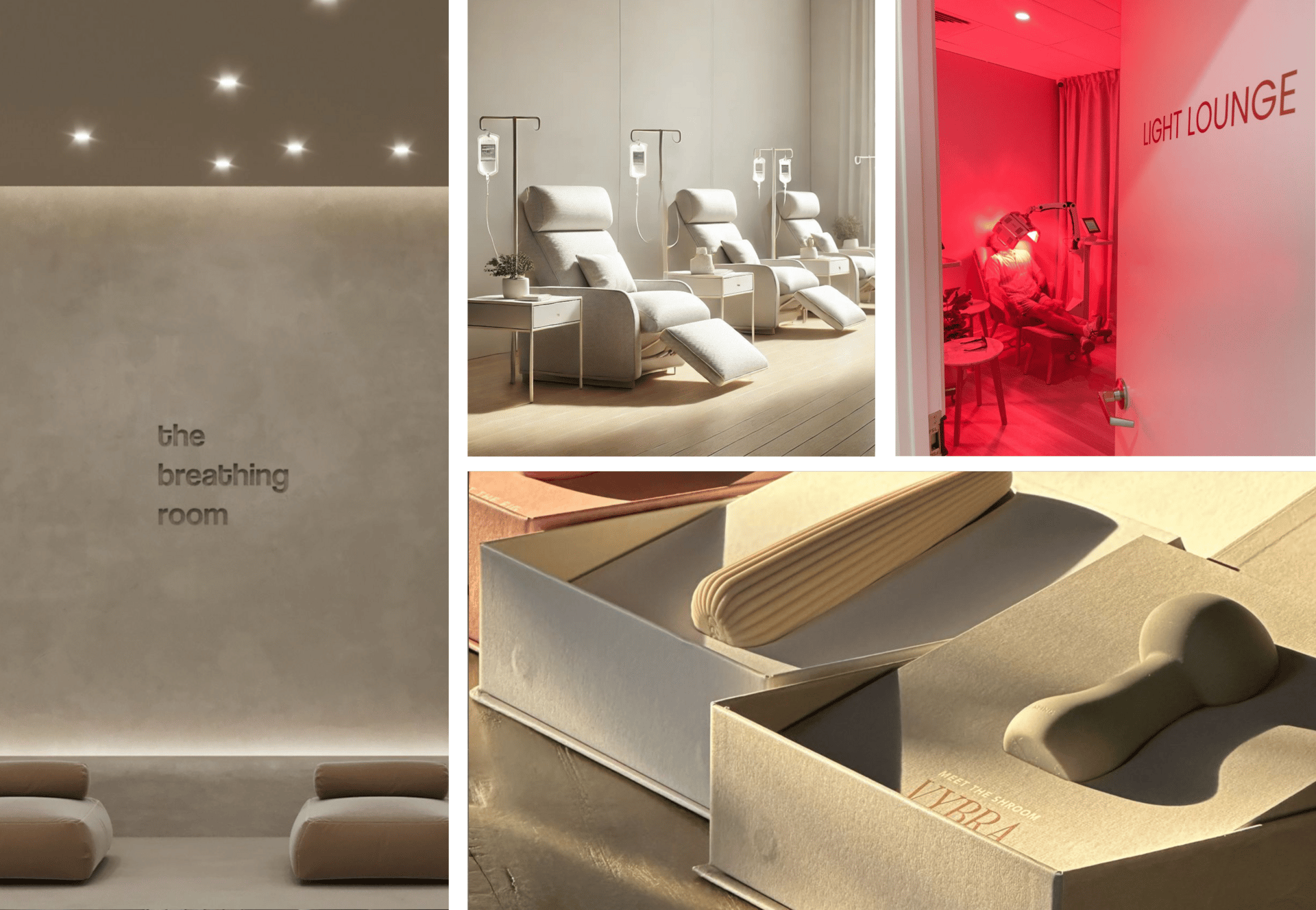
Recovery & regenerating Gym: The modern gym is evolving into something more than a training ground—it’s edging toward the clinic and beauty lab. Alongside treadmills and weights, members now find cryotherapy chambers, magnetic healing (as pioneered by Vybra), lymphatic drainage, and skin-rejuvenating treatments. These services blur the line between fitness, recovery, and aesthetics, offering a one-stop space where health, performance, and appearance are equally nurtured. For today’s consumer, strength is no longer measured solely in muscle mass or endurance, but in longevity, vitality, and how confidently we present ourselves to the world. In this new model, the gym is as much about healing and enhancementas it is about exertion.
The Amphibious
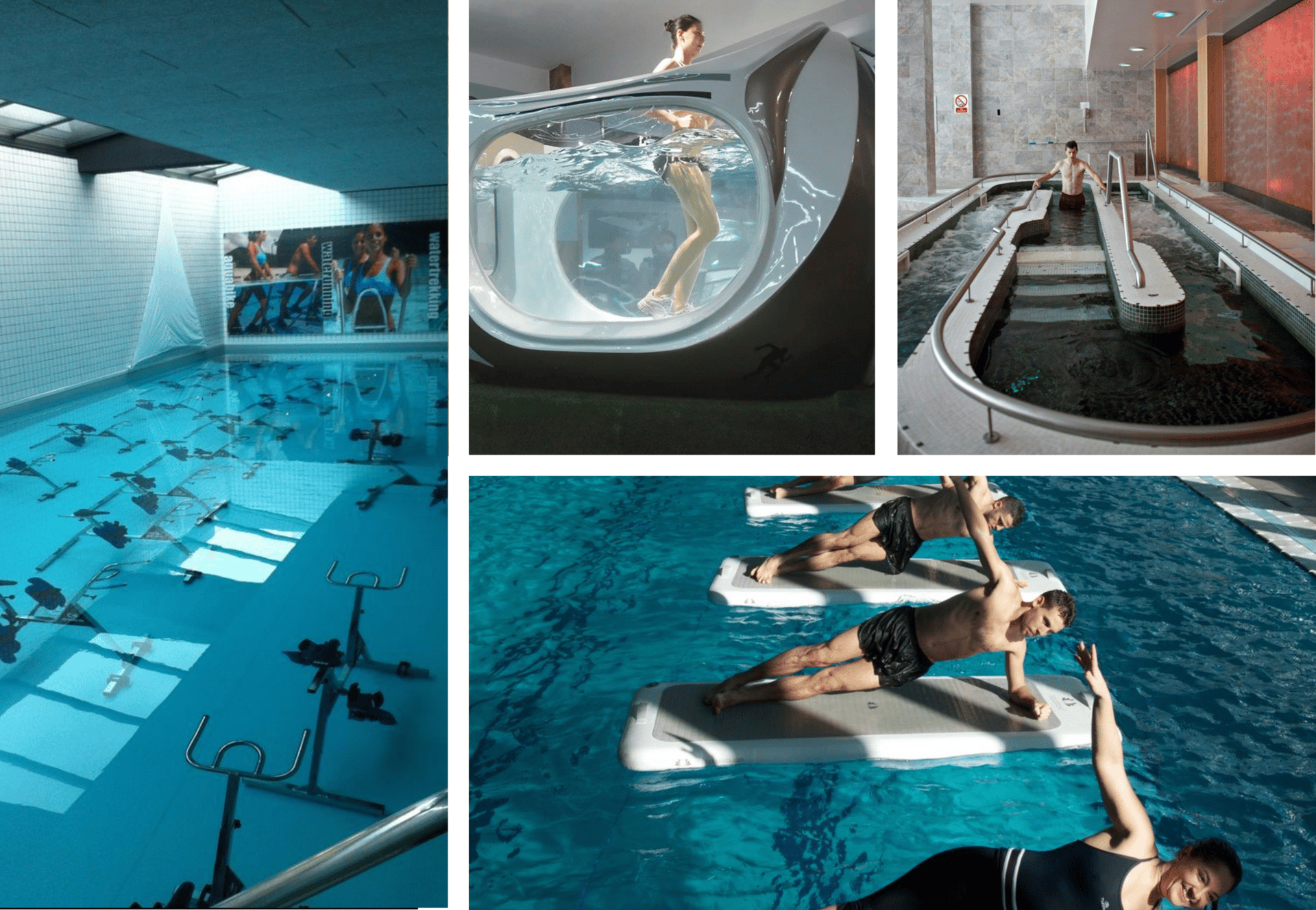
The Amphibious: The gym is spilling into water. From underwater treadmills to floating Pilates boards, aquatic training is moving beyond leisure and into performance. Once reserved for rehab clinics and luxury spas, water-based workouts are now being reimagined as recovery rituals and longevity tools—especially for Boomers and Gen X who seek low-impact resilience. The catch? These installations are costly, but their demand is rising as fitness shifts toward fluidity, balance, and the art of moving differently.
The Living-Room Gym
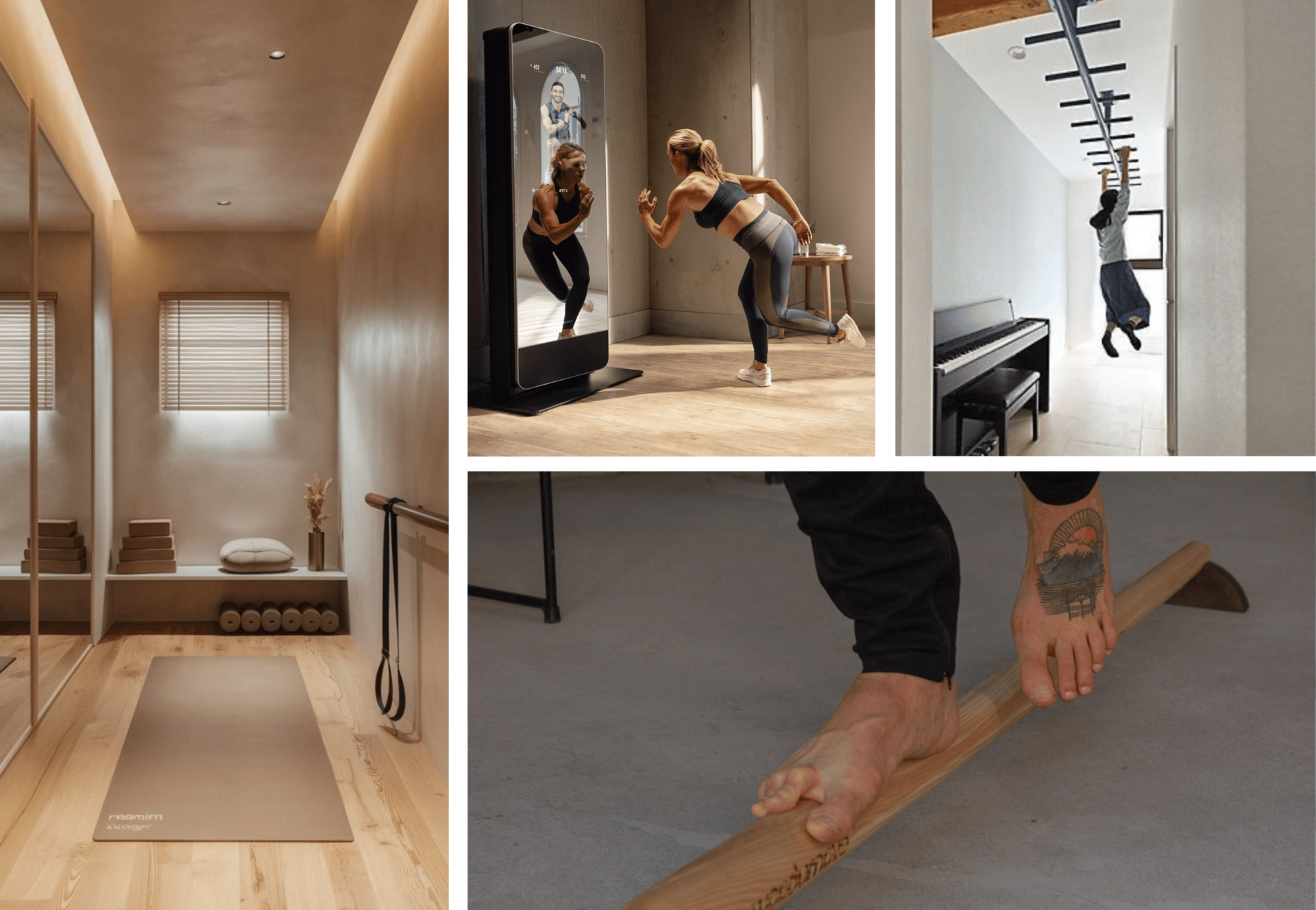
The living-room Gym: As hybrid schedules and economic slowdowns reshape daily routines, the fastest-growing fitness space isn’t corporate—it’s personal. The home gym is evolving from bulky treadmills to design-led, space-savvy tools that blend seamlessly with interiors. Think Bala’s sculptural weights, which double as fashion accessories more than fitness gear. The future here lies in two directions: interior-infused equipment that blends beautifully in small apartments, and virtual trainers—digital companions that bring structured programs, coaching, and community into the living room.
Home Gyms as Design Statements
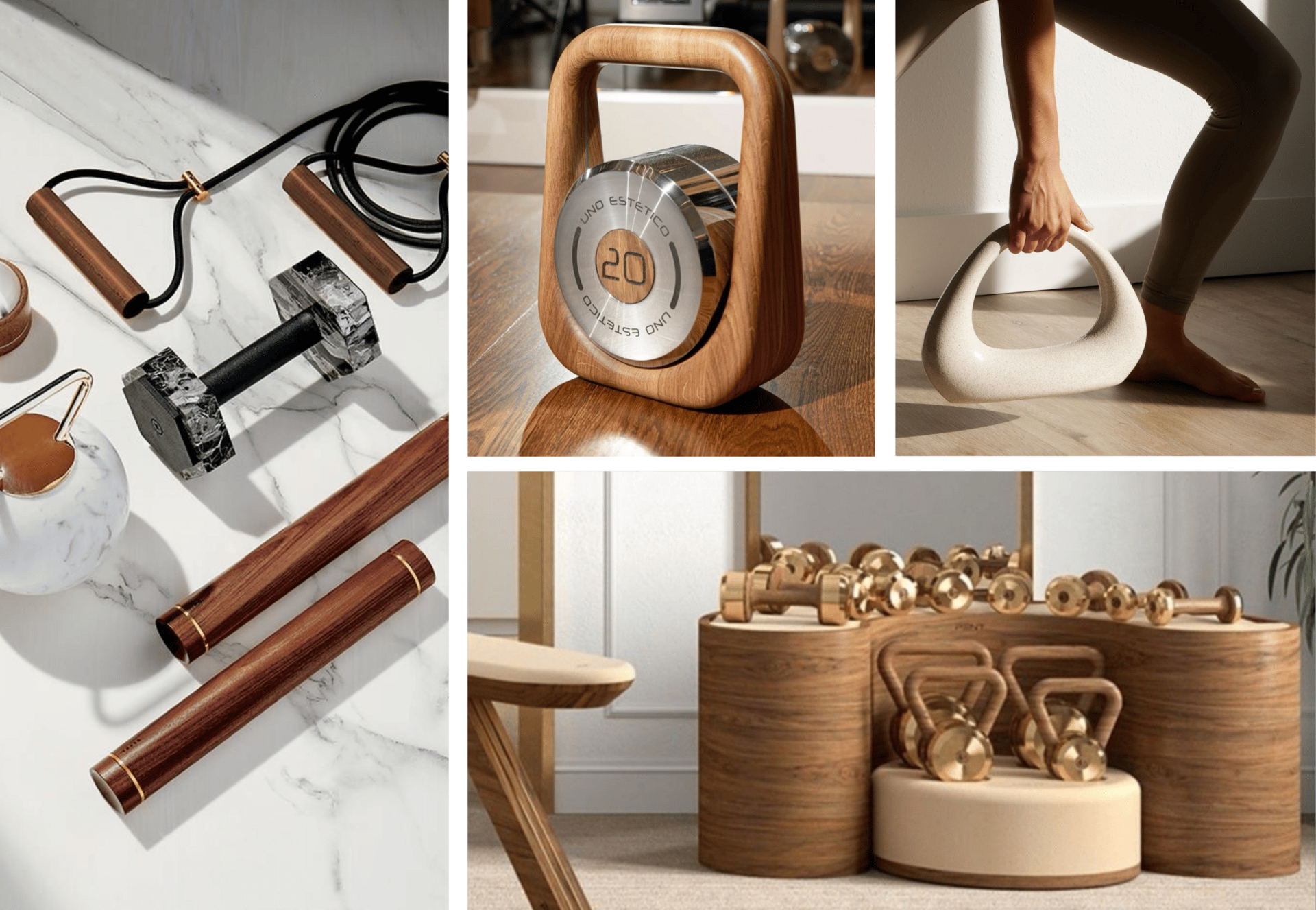
Home Gyms as Design Statements: Fueled by the rapid global rise of home workouts—and accelerated by luxury fashion brands entering the wellness arena—sport tools are breaking free from bulky, utilitarian design. Dumbbells now double as sculptural objects, resistance bands are color-matched to interiors, and yoga mats read like collectible textiles. What was once purely functional has become an extension of interior design, blending seamlessly with living spaces. On platforms like Etsy, Ikea, and Urban Outfitters, the home gym has graduated from niche trend to established lifestyle category, while luxury players reimagine it as part of the curated home. The result: fitness tools that are no longer stored away, but proudly displayed.
The Group Training Resurgence
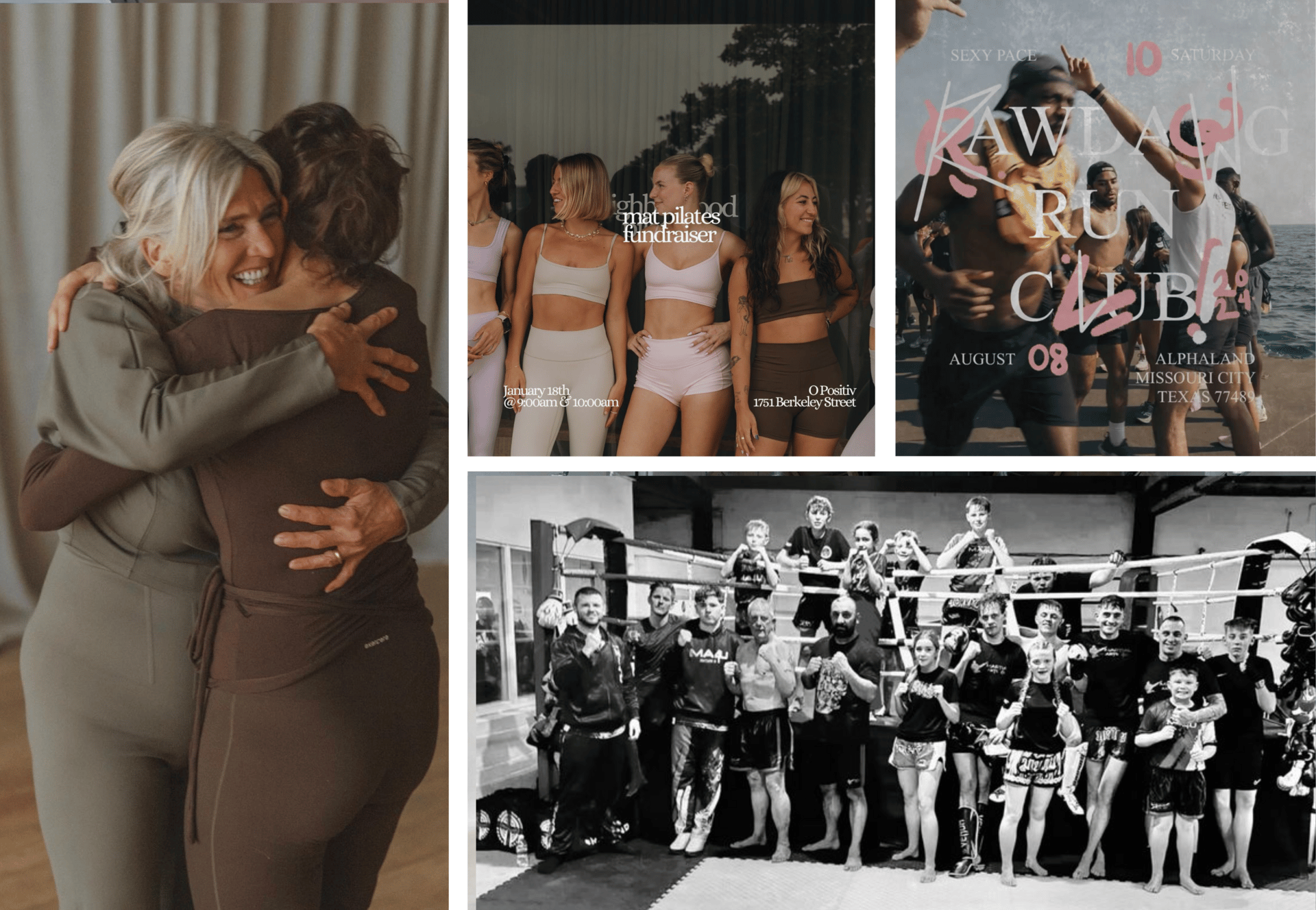
The Group Training Resurgence: After years of individualized programs group workouts are surging back. From outdoor run clubs to Hyrox races, from boutique Pilates studios to high-energy boxing rooms, collective training is becoming the heartbeat of modern gyms. Why? Because working out together builds more than muscle—it builds accountability, community, and emotional connection.
For gyms, group formats are more than a trend: they’re a retention engine, drawing in diverse demographics, from Gen Z searching for social belonging to older generations seeking structured motivation. The rise of performance-based group events, like Hyrox or Spartan races, also highlights a shift: fitness is no longer just a private practice, but a shared cultural experience.
The opportunity ahead? To design gyms as arenas for collective movement—with programming, architecture, and branding that make members feel they’re part of something larger than themselves.
The Third Place Gyms
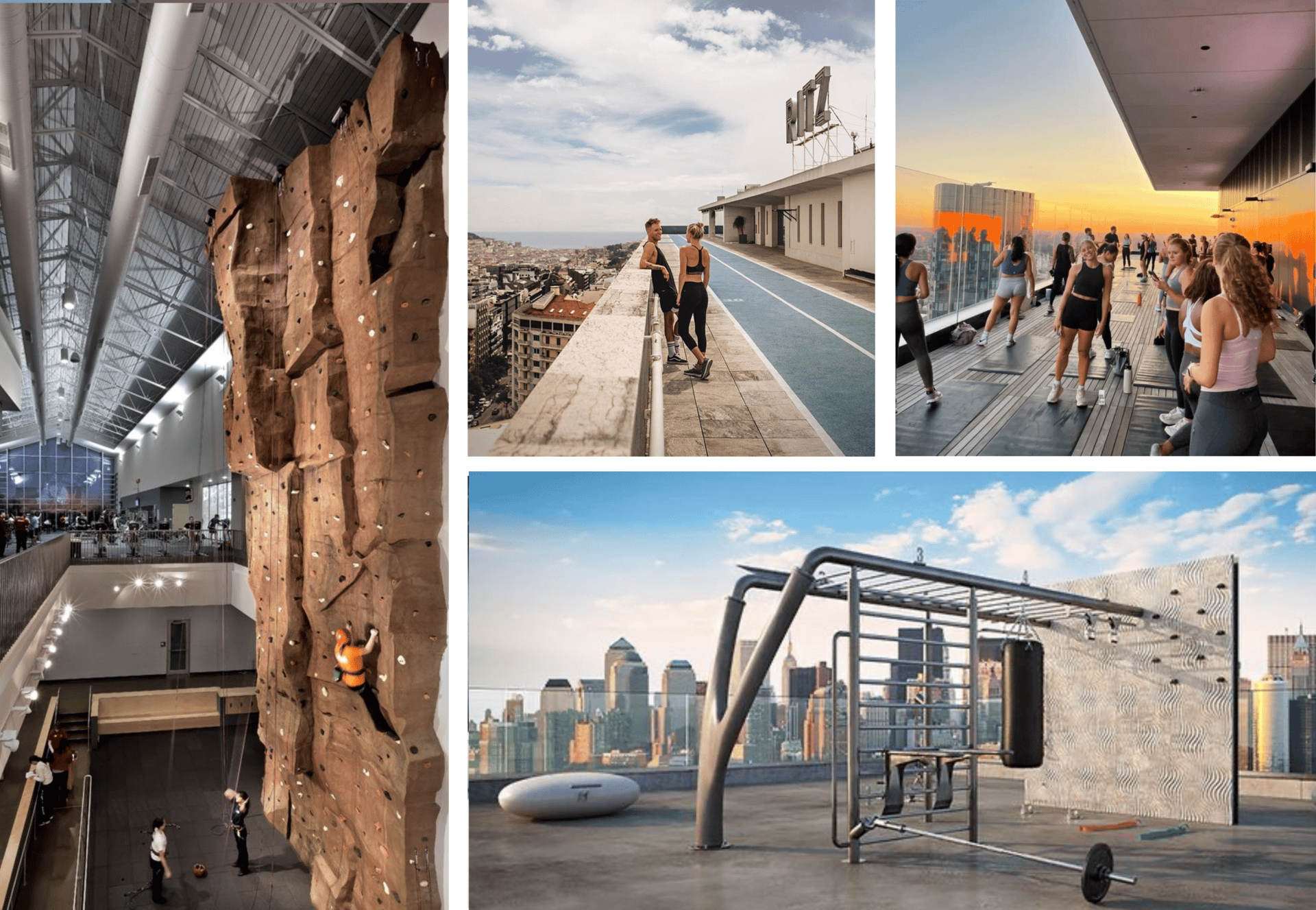
The third place dimension: The gym is no longer a destination—it’s becoming part of the places we already inhabit. Rooftop running tracks, shared terraces turned into yoga decks, and contemporary gyms built into residential towers are reshaping how we move. These “third place gyms” blur the line between home, community, and fitness, offering residents a seamless way to integrate wellbeing into daily life. Opportunity: for gym designers and equipment brands, the opportunity is clear: bring movement directly into apartment buildings and co-living spaces—making fitness not an errand, but an amenity.
Nature-Infused Environments
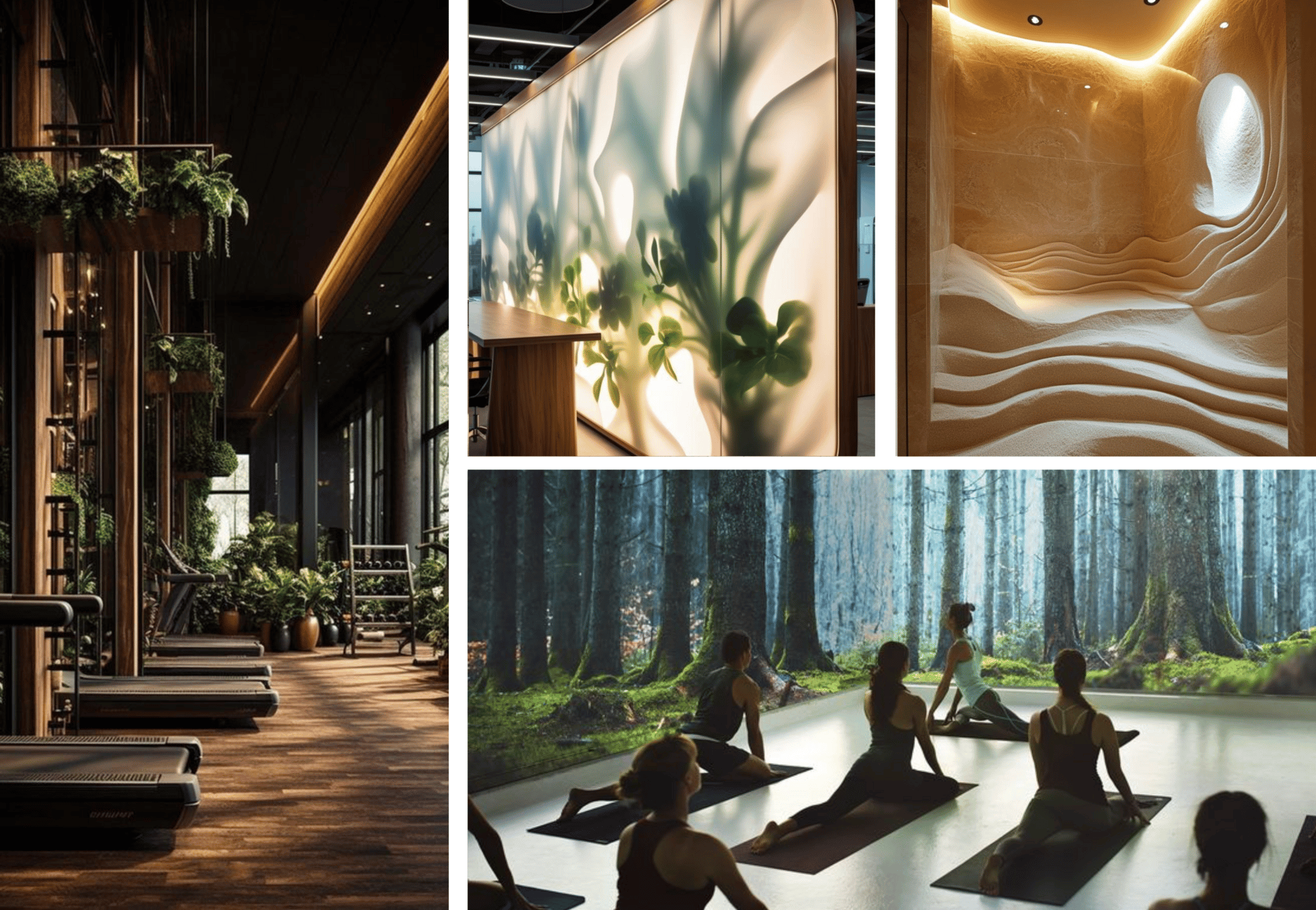
Nature-Infused Environment: The era of windowless, fluorescent gyms is fading. Biophilic design is bringing nature into fitness spaces—through living walls, daylight-flooded studios, and terraces that double as outdoor workout zones. These elements do more than look good: they shift the atmosphere from boxy to invigorating, boosting energy during training and supporting relaxation in recovery. By weaving greenery, natural textures, and outdoor connections into their interiors, gyms tap into an ancient instinct—the desire to move in rhythm with nature.
Gyms Merch Is Back
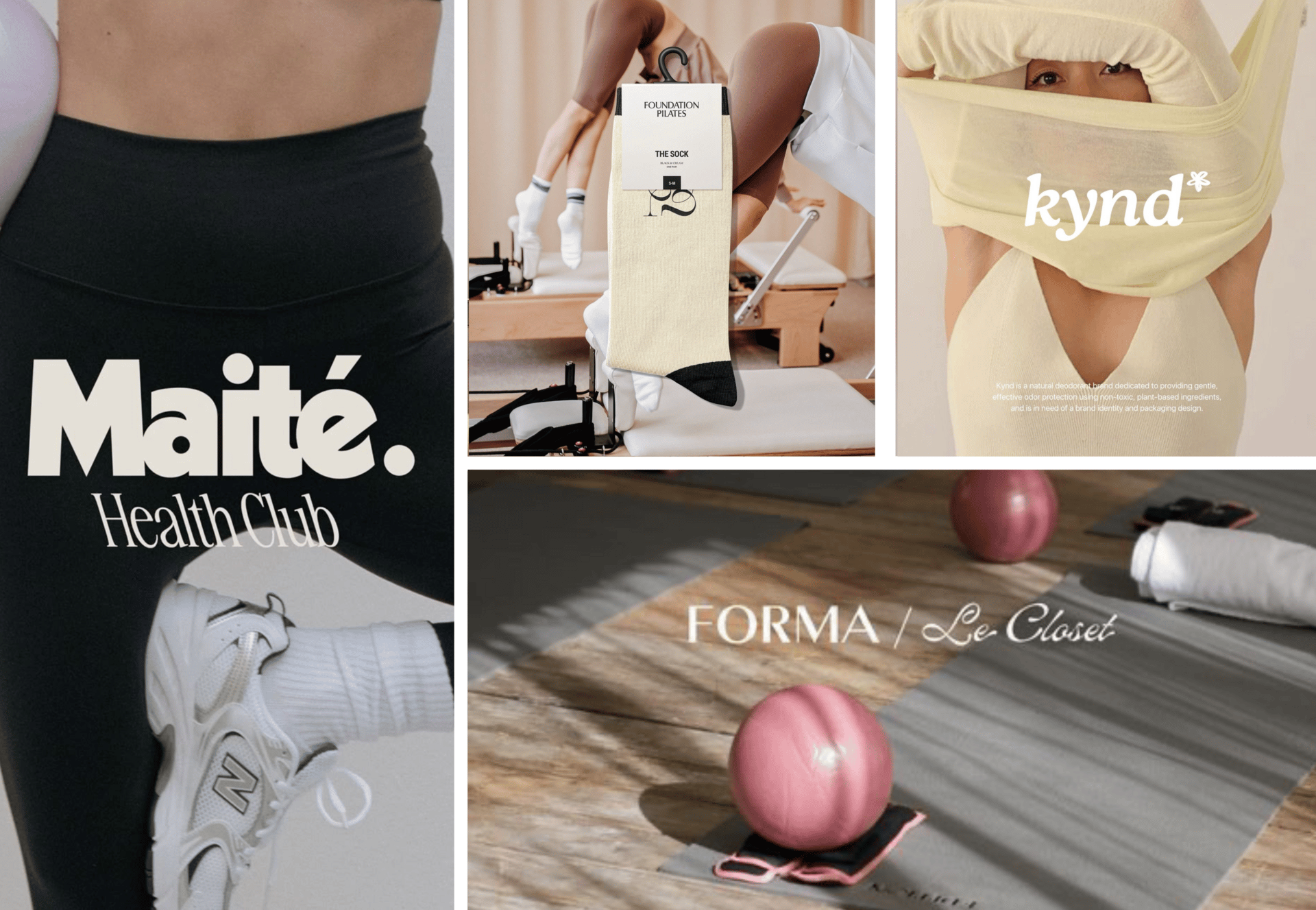
Gym merch is back: Not the clunky logo tees you wore in the 2000s, but curated drops that blur the line between fashion label and fitness hub. Today’s gyms are rolling out capsule collections, design-driven accessories, even signature hydration lines—turning memberships into memberships plus lifestyle. From pilates studios pushing their own branded socks to high-performance clubs selling sculptural gear, the merch isn’t just an add-on, it’s part of the brand’s cultural weight. We dress you up, we feed you, you live here.
Gyms As Art Spaces
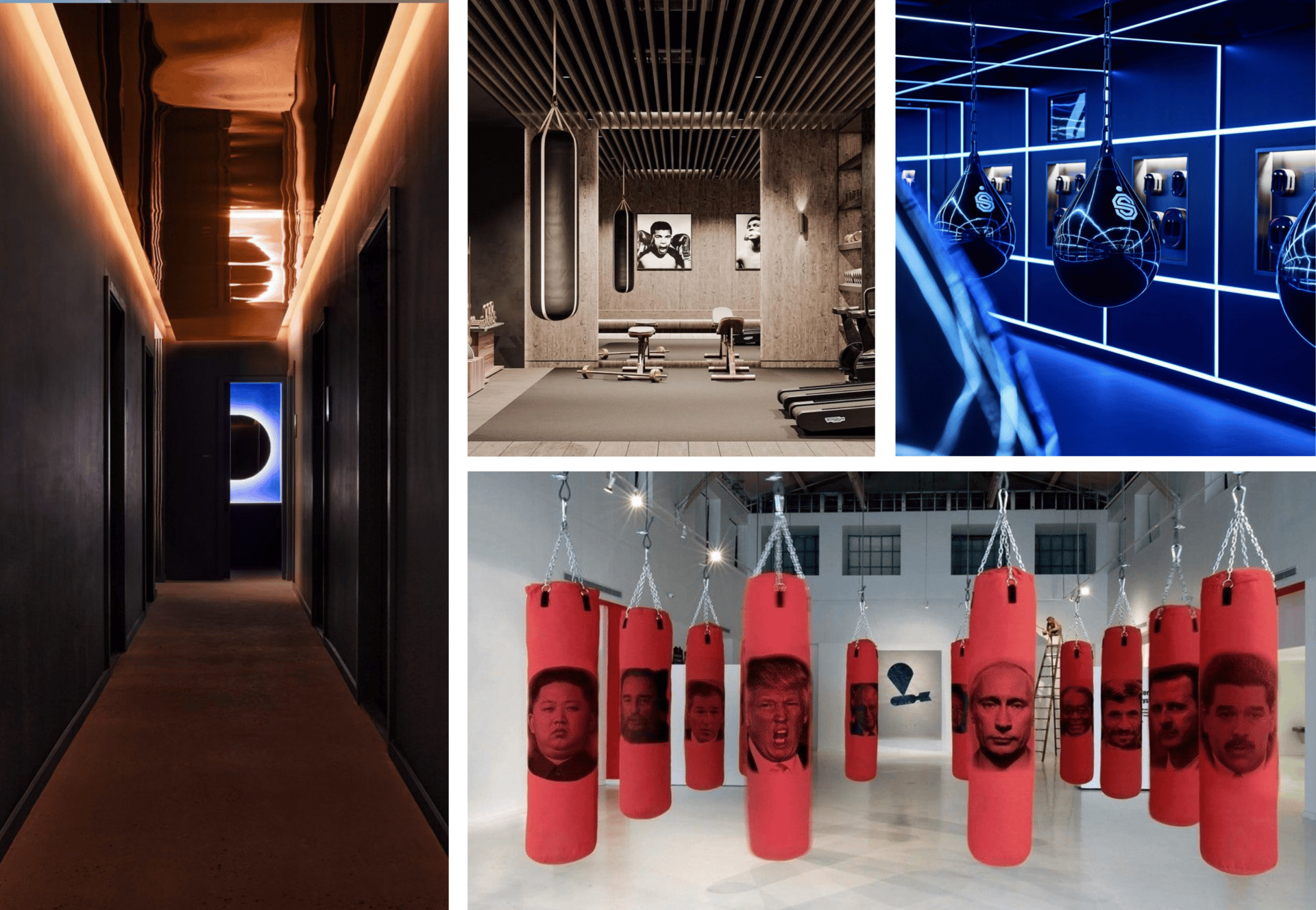
Gyms as art spaces: The gym is turning cultural. A growing number of fitness interiors are being designed not only for movement, but also for artistic experiences—hosting light installations, immersive projections, or even live music during peak hours. More than decoration, these interventions transform gyms into multi-sensory environments where exercise meets creativity. It’s an emerging trend that reframes the gym as a cultural venue—a place to train the body while engaging the imagination.
Hope this lil content inspired you, your likes, shares, and comments are the cherry on top 🍒(and we all love the cherry on top, right?)
Until next time,

Your weekly dose of clarity and inspiration.
Reply